GridCommand helps IT teams investigate difficult infrastructure and application issues, separate meaningful evidence from log noise, and identify the systems actually responsible for failures.
Vendor-agnostic incident analysis for internal IT teams, managed service providers, and growing organizations across Canada and the United States.
Some incidents do not fit neatly into a single product or support queue.
The authentication server reports excessive connections, but another application is creating them. The application appears broken, but its database clock has drifted. A monitoring platform is green, but it is monitoring the wrong services. Several vendors are involved, and each believes the problem belongs to someone else.
GridCommand approaches these incidents as interconnected system problems, not isolated alerts.
A focused investigation for incidents that have already consumed internal time without producing a clear explanation.
This may include reviewing system behaviour, logs, event data, application dependencies, recent changes, infrastructure health, authentication flows, database connectivity, networking, virtualization, and time synchronization.
Technical review and troubleshooting support for Linux upgrades, migrations, and significant infrastructure changes.
The goal is to identify dependencies, integration risks, monitoring gaps, rollback requirements, and potential failure points before they become production incidents.
Monitoring is only useful when it watches the systems, services, conditions, and log events that actually matter.
The result is a practical set of monitoring recommendations, not simply more alerts.
Some incidents ultimately require proprietary vendor tools, internal scripts, database access, or engineering assistance. GridCommand helps your team reach that point with a clear technical case.
This reduces repeated troubleshooting and helps the vendor focus on the unresolved technical issue.
A useful RCA should explain more than what was restarted or changed.
The objective is not to assign blame. It is to understand the failure well enough to reduce the likelihood and impact of recurrence.
You provide a high-level description of the incident, affected systems, business impact, and work already completed. This call determines whether GridCommand is a suitable escalation resource. Detailed troubleshooting is not performed during the introductory call.
Schedule a Fit CallIf the engagement is a fit, the next step is a time-boxed assessment or a fixed-scope investigation. The initial assessment establishes the current symptoms, the technical environment, known dependencies, recent changes, available evidence, required access, and investigation priorities.
The investigation follows the evidence across systems rather than assuming the component generating the error is the component causing it. Progress, findings, limitations, and required vendor involvement are communicated clearly throughout the engagement.
At the end of the investigation, you receive a written summary describing what was found, what remains uncertain, and what should happen next. Where appropriate, the deliverable includes a complete root cause analysis and preventive recommendations.
For teams that manage their environment successfully but occasionally need another experienced perspective on an unusual or high-impact incident.
For MSPs that need an escalation resource when a client issue crosses multiple products, vendors, or areas of responsibility.
For organizations such as retailers, professional services firms, manufacturers, and distributed operations that depend on interconnected systems across several locations.
For businesses whose technology has become more complex than their original support model and documentation.
GridCommand is not intended to replace your help desk, MSP, infrastructure team, or product vendors. It acts as an escalation and investigation resource when the normal support process is no longer producing answers.
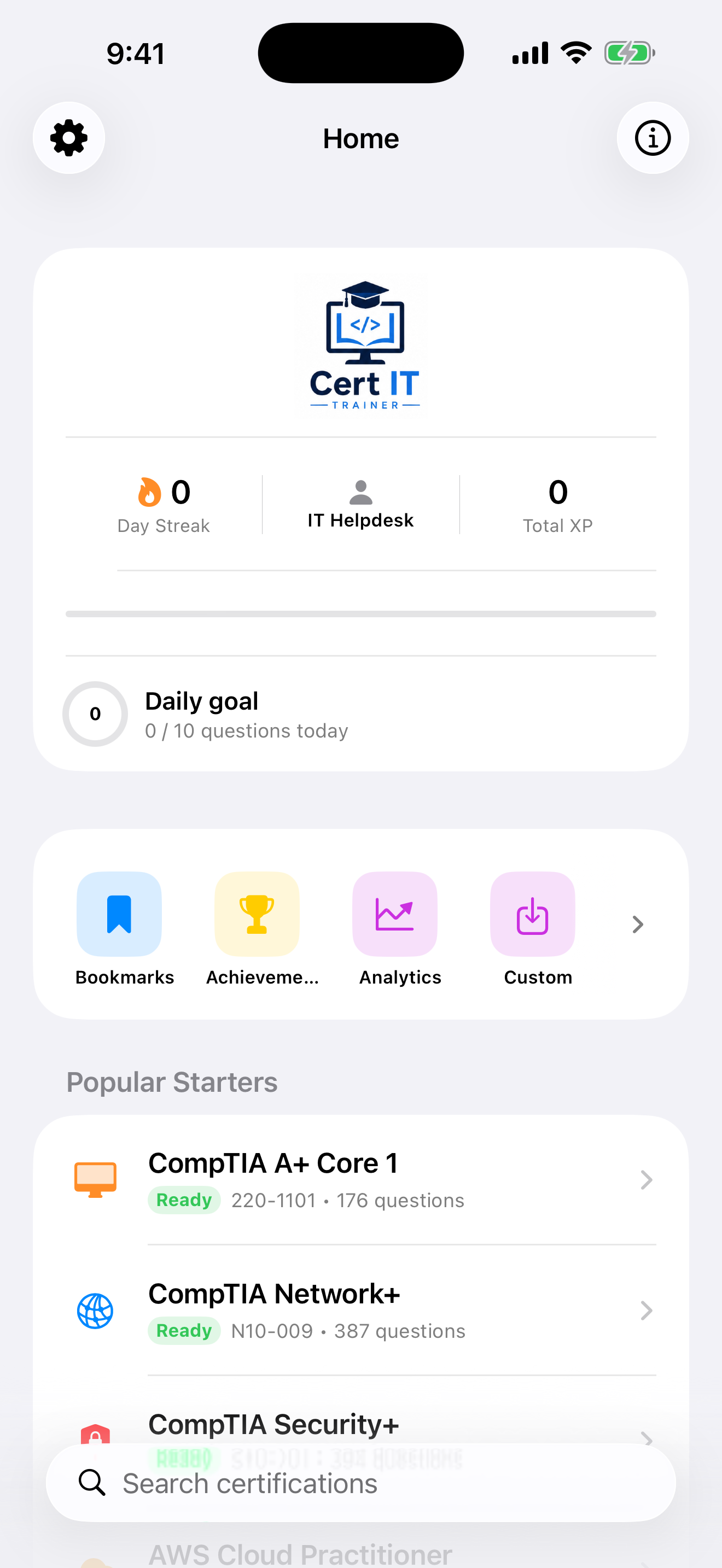
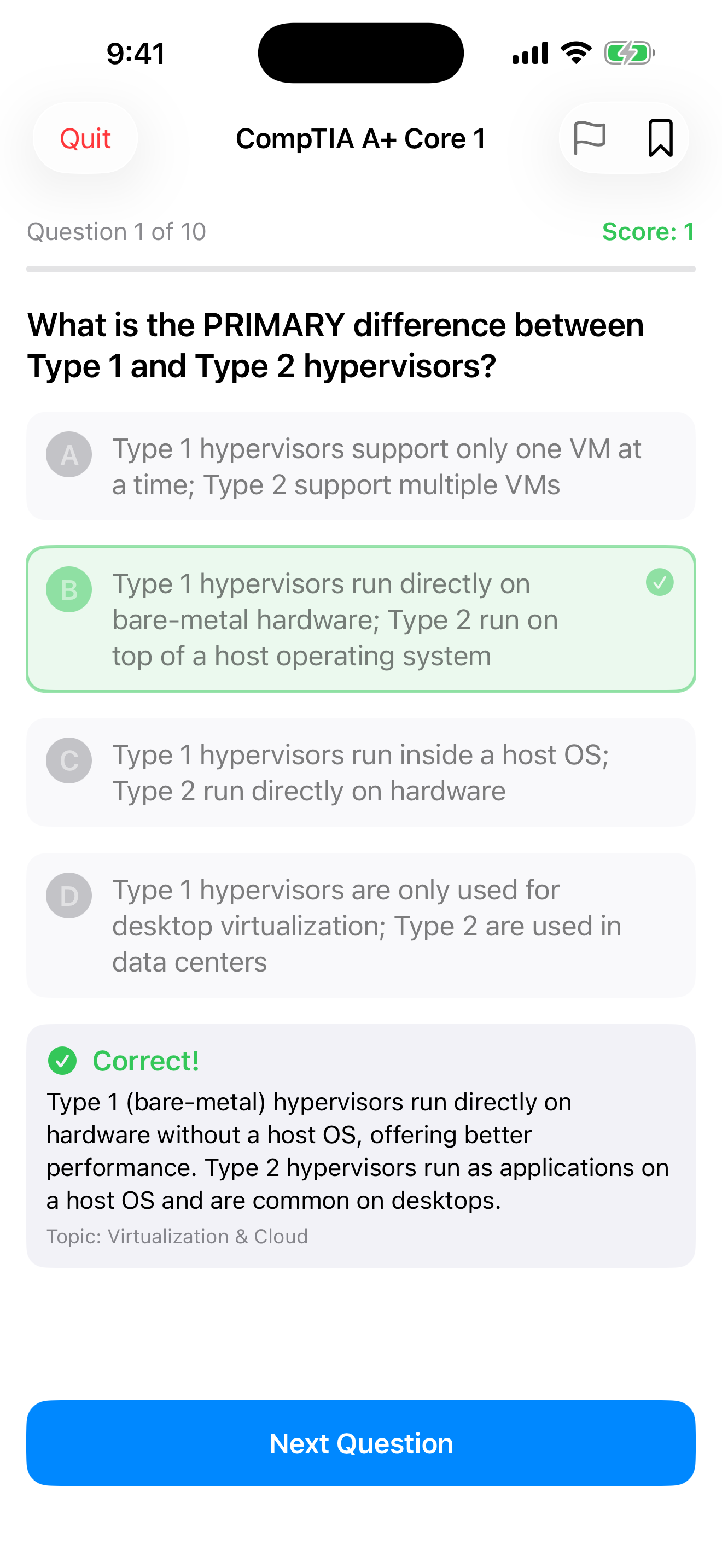
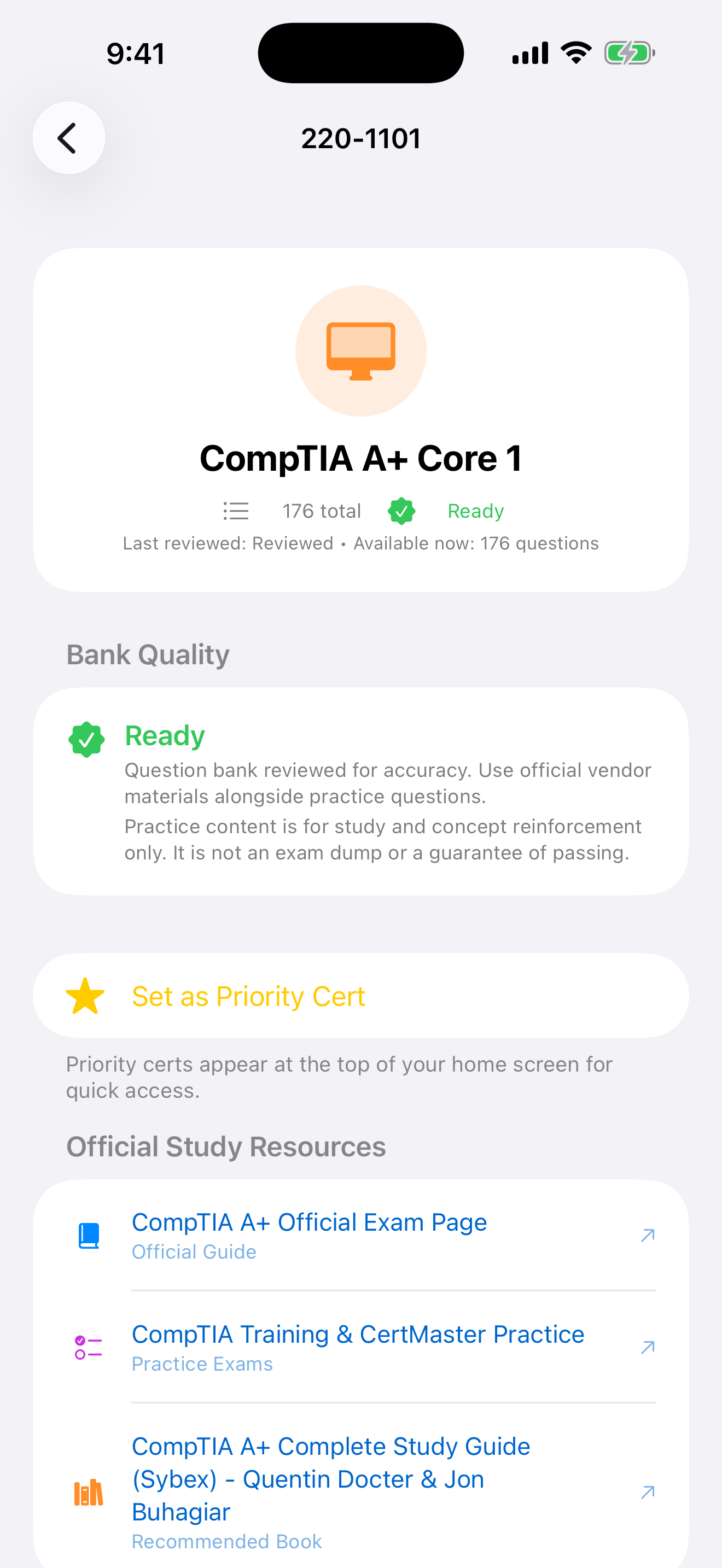
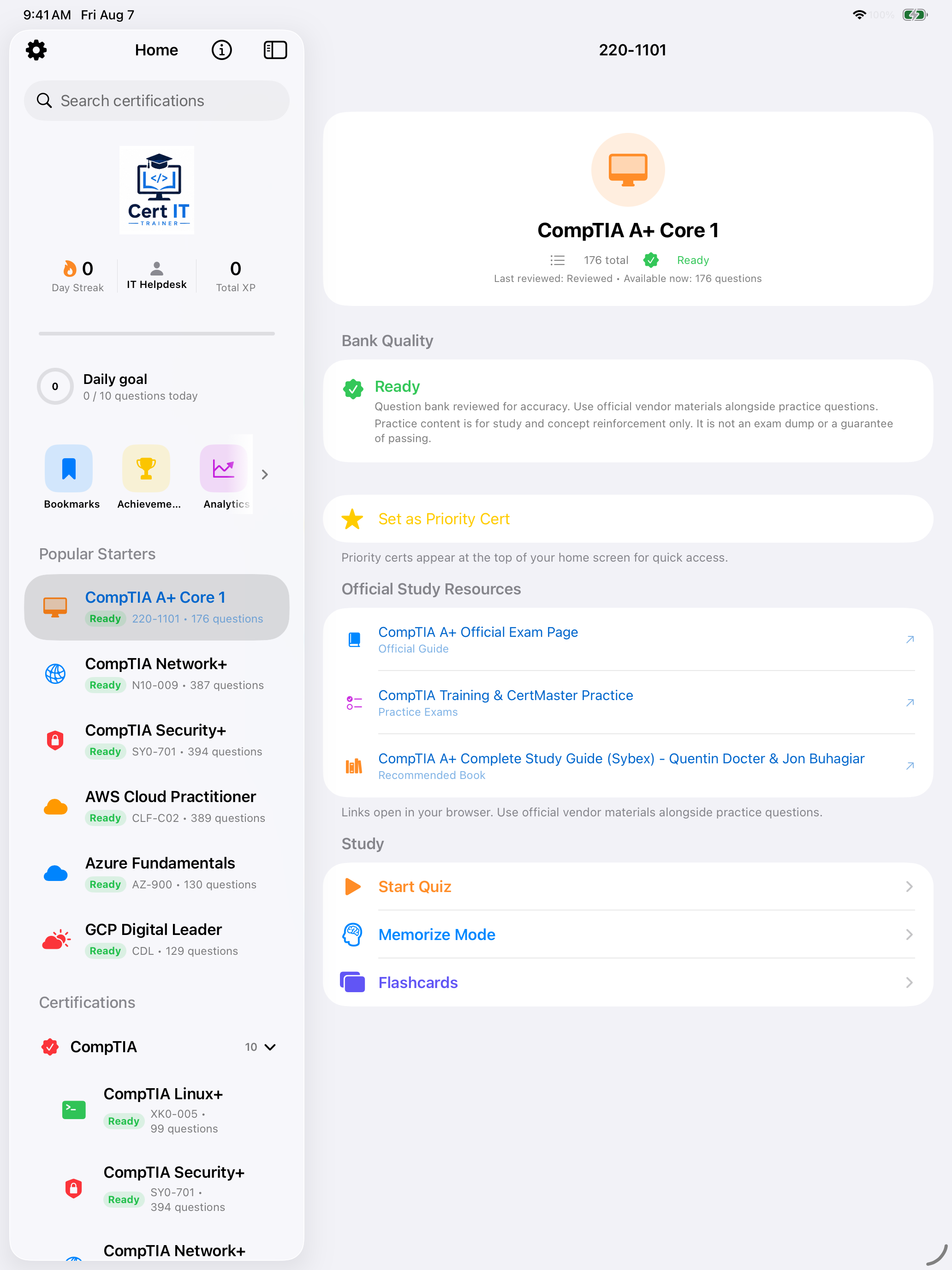
An interactive certification study app, now in development for iPhone and iPad.
When an incident has crossed several systems, generated conflicting evidence, or consumed hours without a clear answer, another experienced perspective can help your team regain direction.
Start with a brief fit call. If GridCommand is not the right resource, you will be told directly.
Share a short overview. You will receive a reply with the appropriate next step if the engagement is a fit.
No. GridCommand does not replace routine IT support, endpoint management, help-desk services, or an existing MSP. The focus is incident escalation, infrastructure troubleshooting, change review, monitoring analysis, and root cause investigation.
No. Linux upgrades are one area of focus, but most infrastructure incidents involve several connected systems. Investigations may include Linux, Windows, virtualization, networking, databases, authentication, load balancing, monitoring platforms, cloud services, and application integrations.
Often, yes. The initial investigation focuses on system behaviour, dependencies, logs, communication paths, configuration, and evidence. Product-specific limitations are identified early, and specialist or vendor involvement is recommended when appropriate.
No ethical incident consultant can guarantee a resolution before understanding the environment. GridCommand provides a disciplined investigation, clear communication, documented findings, and honest identification of technical limitations. Some issues require proprietary vendor intervention or access that only the product manufacturer can provide.
GridCommand is not currently presented as an unrestricted 24/7 emergency service. Urgent assistance and retained escalation arrangements may be available by prior agreement and subject to availability.
Yes. Retained escalation support may be available for organizations that want access to an experienced technical investigator when their internal team becomes blocked. Retainer scope, availability, response expectations, and included services are established in writing.